


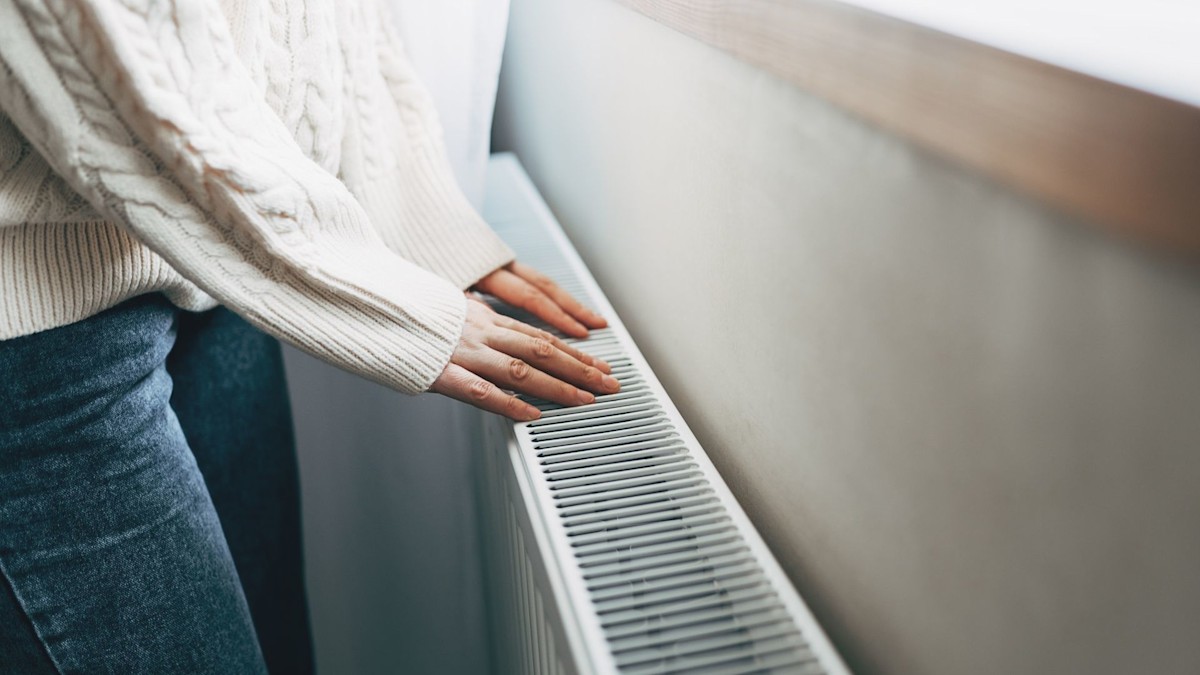
Winter is here, the frost has arrived, and no matter how many layers you tuck underneath your coat, you are still struggling to fight off the cold.
It’s officially the season of central heating, but how often should we be cranking up that dial, and is it safe to leave it on overnight?
Aside from the drying effect the heating can have on our skin and throat, leaving the heat on overnight might be causing damage to our homes and older furniture.
For many, the idea of waking up to a cold house can be unbearable, but for others, the worry is about the impact extra heating will have on their energy bills.
HELLO! is here to settle the debate with the help of some expert tips and advice. Let’s find out if we should be embracing the cold mornings or indulging in the invention of central heating while we can.
How overnight heating impacts your energy bills
The festive period that arrives with winter is already strenuous enough on your finances, so add in an inflated heating bill, and things can start to feel a little overwhelming.
It is inevitable that during the course of the colder months, bills for heating will be more expensive than when you are not using it in the summertime.
Personal finance expert at Sunny, Sophie Graham, revealed: “While households usually hold off switching on the heating until around 13 October, rising costs mean many are being more cautious this year.
“The average annual energy bill for a dual-fuel home paying by direct debit now sits at around £1,755, up 2 per cent (£35) compared with last year.”
She suggested making some subtle changes to your everyday habits to keep costs low and your body warm at the same time.
“Before turning on the heating for the whole house, focus on keeping yourself warm first,” Sophie said.
She continued: “Adding extra layers, like thermal socks, tops, or leggings, helps trap body heat so you rely less on the thermostat. And don’t be shy about wearing a cosy dressing gown during the day too.
“Investing in good-quality rugs and curtains can have a significant effect on insulation and how your home retains heat.
“Rugs are great with wooden or tile flooring, as they aren’t as chilly under your feet. Also, adding layers like cushions and throws not only makes your room feel cosy, but they also keep you feeling warmer when relaxing in front of the television.”
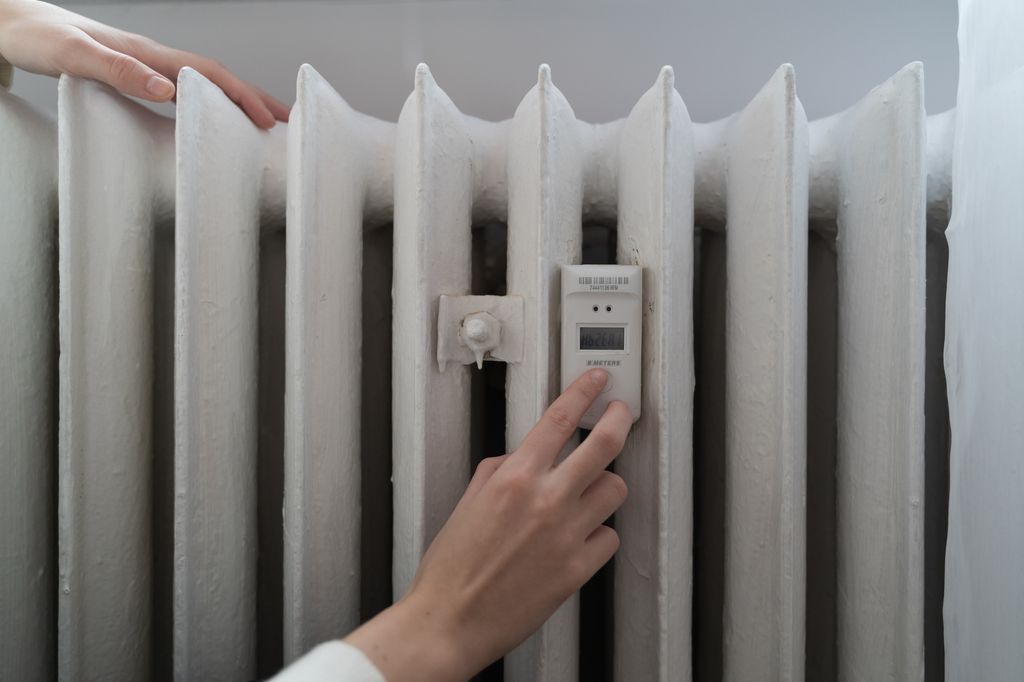 © Getty Images
What energy experts recommend for overnight heating
Instead of bleeding money by leaving the heating blasting overnight, experts have come up with a number of ways to cold-proof the house.
By getting creative and rearranging the layout of your home, you can trap the sun during the day and make the most of the natural heat while it is there.
Sophie suggested to “make sure your sofas and chairs aren’t positioned near any cold drafts, as this is when you’ll most likely be tempted to turn the heating on.
“Moving your seating so they are further away from walls and more central can also make a noticeable difference. If you have a chair near the window, consider moving it near other furniture as this can create a warmer seating area,” the expert added.
Another way to ensure warmth overnight is by kitting out your nighttime routine with cosy, hot essentials.
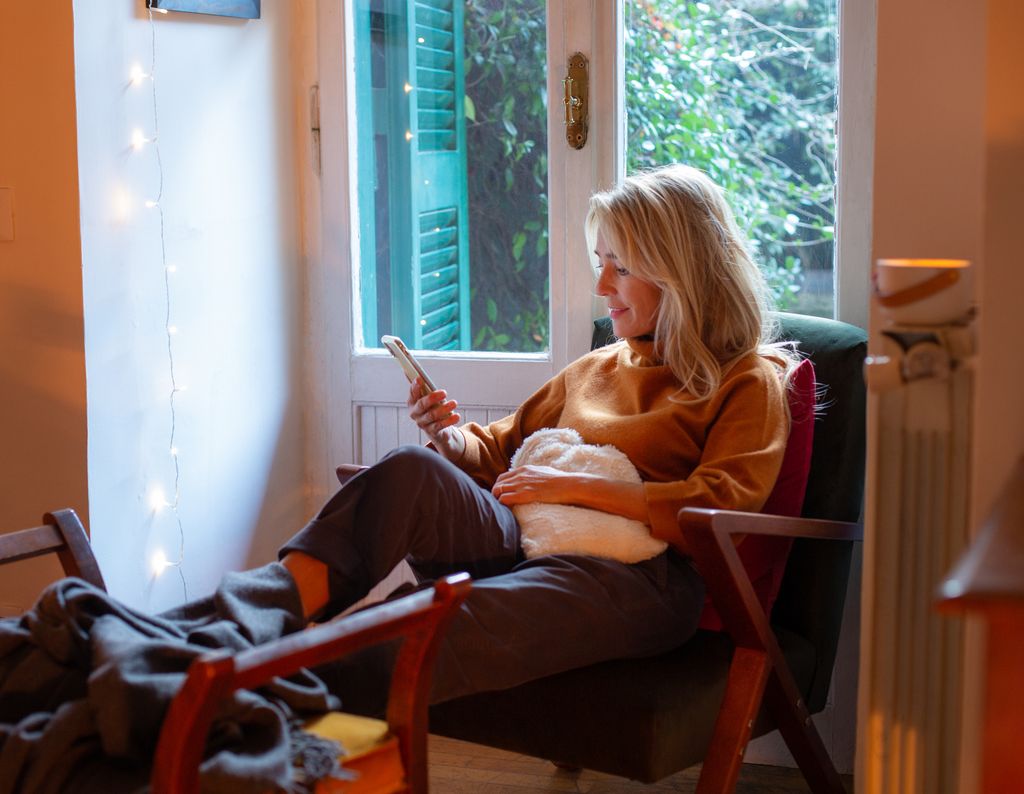
“Instead of turning on the heating, a hot water bottle or microwaveable heat pack can provide instant warmth and comfort,” Sophie said.
She continued: “Place it on your lap while working from home or relaxing on the sofa. At bedtime, slip the hot water bottle between your sheets about 15 minutes before getting in; you’ll be greeted by a cosy, pre-warmed bed that makes the cold nights much more bearable.”
Before heading to your bedroom, there are a number of precautions you can take to stop the cold air from creeping in after dark.
Tiny gaps you might not have even noticed around doors, windows and letterboxes could be a silent culprit dropping the temperature in your home.
Stop this from happening by rolling up towels and placing them on windowsills or at the foot of the door to keep the heat inside.
In addition, it is important to keep doors to rooms closed in the wintertime so that you are not letting heat escape as you move from room to room.
 © Getty Images
When it’s better to switch heating off and when it’s not
There’s a time and a place for everything, and that sentiment is no different when it comes to heating up your home.
In order to maximise the central heating and keep the extra costs as low as possible, you’ll need to nail a heating schedule that works for you and your bank account.
Knowing when to switch it on and off might just be the game-changer you need this winter season.
John Klee, heating technology expert at BestHeating advised, “Whilst there isn’t an optimum time to switch heating on, our research shows that once temperatures are below 15 degrees Celsius, often around October or November, it is best to turn the heating on as we feel the chill more.
“By the end of the month, even the hardiest among us will have our heating on to keep warm as temperatures are predicted to drop further.”
The NHS recommends indoor temperatures of at least 18 degrees Celsius for health, noting cold weather can weaken the immune system, increase blood pressure, thickens the blood and lowers body temperature, increasing risks of heart attacks, strokes and chest infections.
He continued: “If it is below 13 degrees Celsius outside, then health issues can arise, especially in vulnerable people.
“With many worried about their finances, it can be tempting to hold off putting the heating on, but be careful delaying this too long as it can cause more issues than it’s worth.
“For those struggling, we recommend contacting your local council or energy supplier as there are often grants and help available to keep you safe throughout winter.”
Most modern experts agree it’s best to set your thermostat to a ‘setback’ temperature (e.g., 16 degree Celsius) overnight rather than turning it off completely to prevent damp without wasting energy.
Read more here: Click Here
