


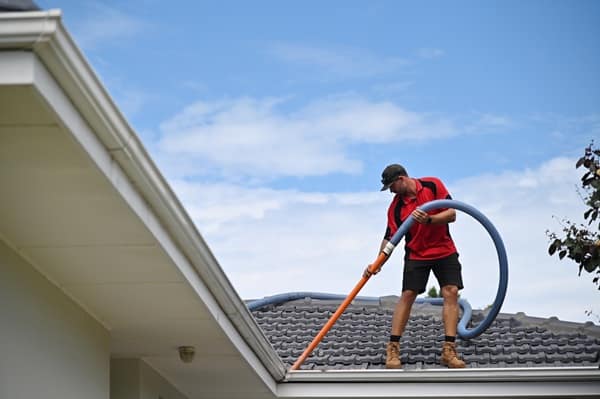
Roof upkeep usually falls to the back burner until there’s a leak, the next big storm rolls in, or the insurance company denies a claim because of neglect.
If you’re a homeowner in Bromley or the surrounding areas, here’s the truth: routine roof maintenance is no longer discretionary.
It’s a smart way to save on repair bills. This will also help extend the life of your roof. Let us know about the various ways to maintain your roof in optimal condition.
Why seasonal roofing maintenance matters more than ever
UK roofs face some of the toughest seasonal cycles—freezing winters, wet autumns, erratic spring weather, and high UV in the summer. Ignoring maintenance at any of these stages results in problems, including:
- Ingress of water and structural damage from overlooked roof leaks
- Expensive emergency roof repair due to storm damage
- Poor energy efficiency due to deteriorated roof insulation
- Tile failure or underlay exposure due to inadequate preventative maintenance
- Accelerated roof decay from uncontrolled moss growth or blocked guttering
Our expert roofers in Bromley have developed a strategic season calendar to help property owners make informed, budget-friendly choices. Below is a guide on how to approach roof maintenance throughout the year.
Season-by-season roofing strategy for 2025
Spring: Damage inspection and early repairs
The spring season is the best time to inspect your roof for damage. The weather is clear, and you can easily analyse the damage that the winter season has caused.
- You must schedule a roof check to detect slipped tiles. Pay extra attention towards broken flashing or minor leaks.
- Carry out gutter cleaning to remove debris. Check everything and clear out the accumulated clutter from winter storms.
- You must try to organise moss removal to stop roof tile erosion and water intake.
- Create a schedule and form a chart. Then, according to your plan, you must check the roof vents. Do not ignore the loft space for condensation or mould.
Why it is essential: Fixing problems now prevents further damage during heavy spring rains and prepares the roof for summer repairs.
Summer: Improvements and material upgrades
Summer offers consistent weather conditions, which are considered ideal for larger projects. This is the ideal time to perform upgrades or major roof repairs.
- You must replace broken and missing tiles. Also, look for weathered tiles that have been replaced with new materials.
- Try to enhance roof insulation for added indoor comfort. This will help in increasing your energy savings.
- Inspect the structure of the roof for long-term planning.
- Perform chimney maintenance. Look for areas including flashing, pointing, and brickwork.
- Strengthen or replace soffits, fascia boards, and ventilation grills if necessary.
Why it matters: Summer is the most cost-effective time to plan major work, with the least downtime due to weather. It’s also the ideal time to future-proof your roof.
Autumn: Protection and leak prevention
With falling leaves and increased rainfall, autumn is a high-risk season. It is considered the worst one for roof leaks and clogged drainage systems. The emphasis here is on weather readiness and leak prevention.
- You must execute a second gutter cleaning. This will help you to eliminate leaf accumulation.
- Re-inspect the flashings around chimneys and vents. All this can be a leading cause of leaks in autumn.
- Plan out things and examine all valleys and drainage points for clogs or wear.
- Strengthen exposed areas to manage storm damage risk.
Book a professional roof inspection to verify that previous repairs have held up and to identify any new dangers.
Why it matters: Autumn lays the ground for winter damage if neglected. Quick action here minimises emergency call-outs and internal water damage.
Winter: Monitoring and emergency action
Winter calls for round-the-clock monitoring. It is not the season for scheduled maintenance, but it calls for watchfulness and rapid response.
- Inspect the roof following every significant weather storm.
- Act promptly if leaks or moist spots are detected. You can also hire experts to perform emergency roof repairs.
- Clear gutters and downpipes to prevent ice from forming and water entry.
- Observe the symptoms of poor roof insulation, such as rapid snowmelt on your roof.
Why it matters: Winter accidents snowball quickly. Timely responses are more costly and can trigger insurance issues.
How to execute your roof maintenance plan in 2025
Maintaining a residential or commercial roof across all four seasons requires planning and reliable support. Here’s how to approach it strategically:
- Create a calendar-based roof care checklist. Align inspections and minor works with the four seasons. After this, you must schedule them now so you’re not reacting later.
- Deal with local and competent roofers near you. DIY inspections are limited. Hire professional roofers to identify hidden structural issues. Ask them to assist you in performing repairs safely and offer a guarantee.
- Take advantage of downtime for refurbishment. Summer is an ideal time for investing in high-quality roofing materials. You must utilise this time to improve roof ventilation. This will also help you in enhancing thermal efficiency.
- Keep watch and report immediately. During winter and autumn, respond quickly to any visible evidence of damage. Ensure that you know about it before it spreads or causes internal harm.
- Emphasise long-term performance. Think of each action as an investment in the long-term efficiency and longevity of your roof.
Conclusion
Don’t take the reactive, costly route of only repairing your roof when it disrupts your daily routine. Instead, take a seasonal, proactive stance. Schedule your checkup or call our roofers in Beckenham
2025 is going to bring its own set of weather conditions. Prepare yourself with a plan, a partner, and a clear schedule for roof maintenance.
Read more here: Click Here
