


Skilled and reliable plumbing contractors will always be highly-valued, after all, no building project can be completed without an appropriate plumbing system. However, as we’ve seen across all major sectors, modern professionals are being asked to adapt to changing needs.
As private and governmental entities around the world move forward with plans to build more sustainable properties, as well as improve the efficiency of infrastructure in older buildings, plumbing contractors are becoming acquainted with increasingly innovative work techniques.
From intelligent materials designed to reduce maintenance needs, to highly-efficient heating and cooling systems, sustainable practices represent the future of the industry. With this in mind, the following post explores key plumbing innovations for sustainable building projects.
What Is Sustainable Plumbing?
Before discussing specific innovations in sustainable plumbing, we should define what the term means in a professional context. Sustainable plumbing covers all tools and techniques that contractors and project managers use to reduce the environmental impact of buildings throughout their useful lives, measured in aspects like water conservation and energy waste.
In most developments, sustainable plumbing focuses on ways to use water more efficiently, often by replacing old components with newer, more durable and better engineered systems. In a wider sense, sustainable plumbing can extend to architectural plans and infrastructural designs, usually in the form of water recycling solutions and eco-friendly heating techniques.
5 Plumbing Innovations for Sustainable Building Projects
Whether you’re involved in the redevelopment of an older building, or called up to work on a new development intended to meet modern sustainability targets, it’s likely that one or more of the following innovative plumbing practices will be leveraged in a professional capacity.
1. Eco-friendly Pipework
The materials used to develop plumbing systems are improved upon all the time as we learn more about the potential downsides of historic practices. One challenge facing the industry today concerns the use of plastic piping, with relatively new research suggesting the manufacture of plastics like PVC may emit toxic chemicals into the environment.
To combat this issue, sustainable PVC alternatives are being pursued. High-Density Polyethylene (HDPE) pipes are one example, being described by Greenpeace as the only “future-friendly” piping material on the market. In the future, bio-based plumbing materials may further reduce the need for plastics, with research into plant-based polymers and even mycelium-based plastic alternatives underway that could lead to the development of lightweight and durable bio-pipes with sustainably low manufacturing carbon footprints.
2. PEX Plumbing Systems
Another sustainable alternative to potentially harmful plastic pipework and expensive metal piping can be found in PEX plumbing systems. This material has an operational lifespan of as long as 100 years, while also being highly-durable, resistant to corrosion and rust and remarkably flexible, allowing for the creation of large pipe systems without connector pieces.
PEX piping systems are ideal for sustainable building projects as their use can dramatically reduce the amount of materials required to complete a job, with long-term benefits observed in reduced maintenance costs. As an extra benefit, PEX is also a poor conductor of thermal energy, so installed pipes will retain heat for longer to help reduce long-term energy usage.
3. High-Efficiency Faucets
Reducing water waste is top priority in sustainable building projects, requiring contractors to utilize modern components with appropriate efficiency ratings. While faucets may not be the greatest source of water waste in a typical plumbing installation, they do usually output more water than needed, so any efforts to limit flow rates can be beneficial to sustainable projects.
High-efficiency faucets act to reduce the flow rate of a standard system from 2.2 gallons per minute to just 1.5, allowing for a 30% reduction in water usage. When this practice is applied to every water outlet in a high-traffic building, the reduction in water waste can be significant.
4. Hot Water Recirculators
Hot water delivery in a typical one-way plumbing system is far from efficient, requiring water to be heated in one location then pumped along the installation to be delivered to the tenant. The main problem here is that any water remaining in the pipes after the faucet is turned off will simply sit there, cool down and go to waste the next time a hot water faucet is turned on.
In sustainable buildings, this issue is solved using hot water recirculation systems, enabling unused water to cycle straight through the system continuously. These systems not only use less energy than a traditional one-way system, but they can also send hot water to all available faucets almost instantly as the installation is in constant circulation.
5. Solar Heating Solutions
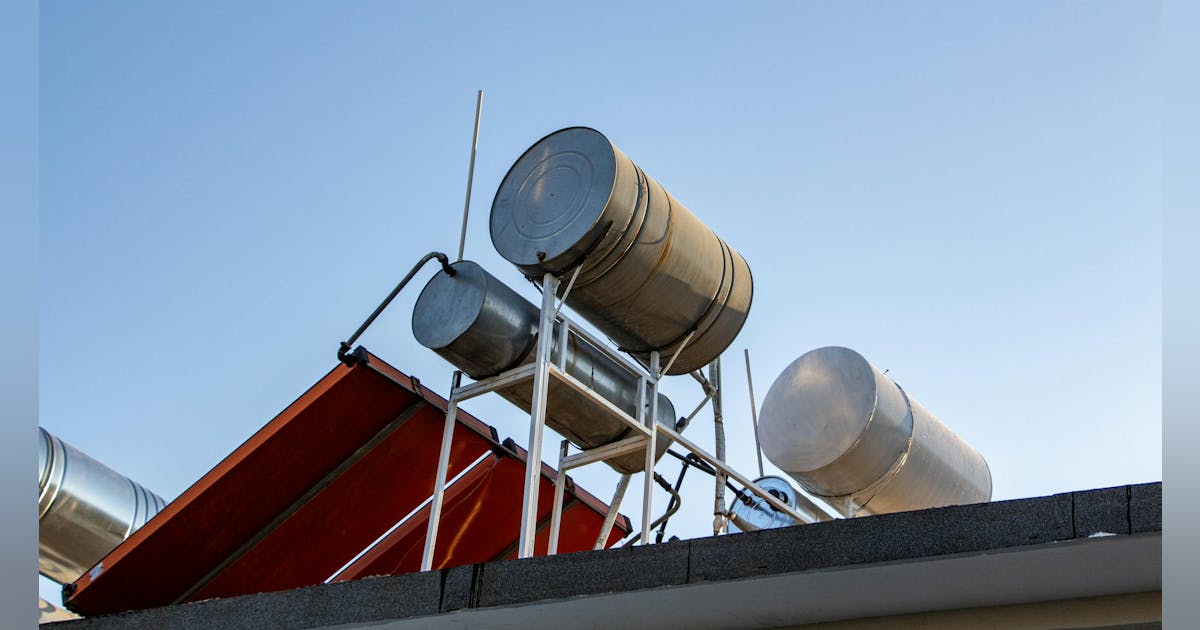
Solar water heating systems are among the most impactful pieces of plumbing infrastructure in terms of reducing environmental impacts. By removing (or at least reducing) a system’s reliance on fossil fuels to heat central plumbing systems, project managers can dramatically cut back on the amount of harmful emissions associated with the building during normal use.
Research suggests that replacing a single natural gas or electric heater with a solar water heater can prevent the release of over 50 tons of CO2, while also reducing water heating bills by between 50%-85%. With governments increasingly offering incentives like tax credits to those who choose to install solar systems, their use is likely to become more widespread.
Summary
As the impacts of climate change become more visible, professionals across all construction and building management-related sectors are seeing historic processes replaced by newer, more efficient practices. This need for change, spurred on by external incentives, had led to the development and ongoing optimization of increasingly innovative professional solutions.
To achieve modern sustainability goals, most novel projects now prioritize the use of greener materials, higher-efficiency components and more intelligent infrastructure, often resulting in measurable time, resource and cost savings both during and after construction. As the tools, technologies and processes mentioned above become more widespread, further innovations in the plumbing industry are likely to be seen, supporting more sustainable building projects.
Read more here: Click Here
