


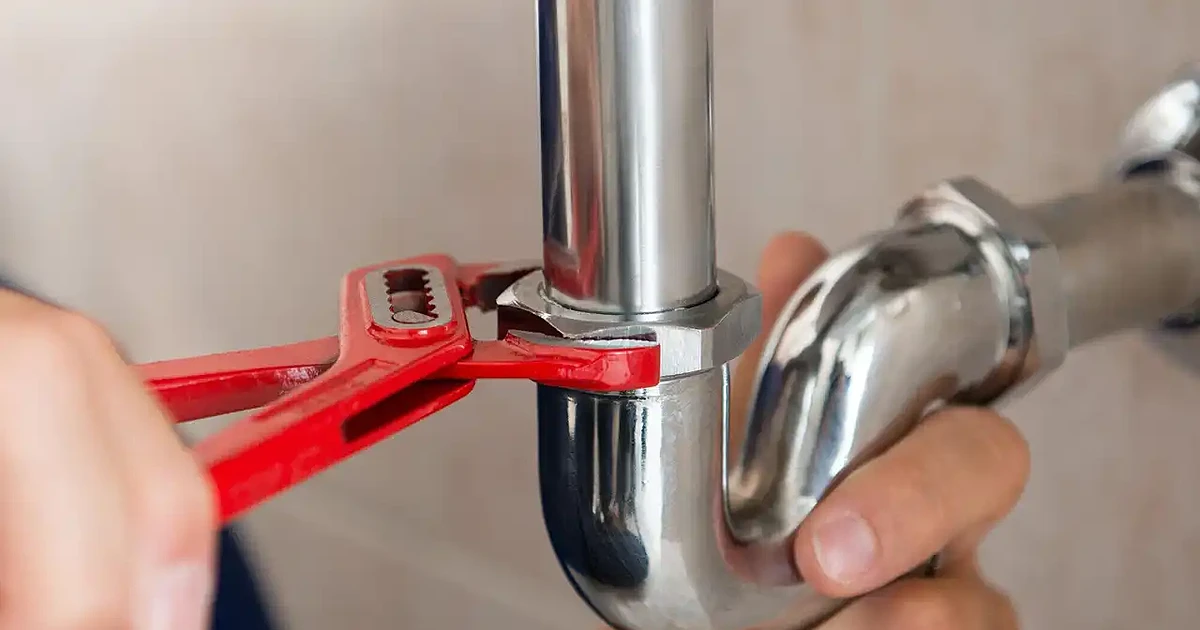
Low hot water pressure is usually caused by mineral buildup or leaks in your plumbing system. Certain issues with your water heater can also contribute to the problem. You can try a few simple home plumbing solutions, but you may need professional help to restore water flow.
You expect a steady stream when you turn on the hot water tap, but sometimes all you get is a sputter. It’s easy to blame everyone else in the house for using too much water at once, but the real culprit is usually your plumbing.
Fortunately, you can fix low water pressure with a few practical home plumbing solutions. If they don’t work, it’s time to call in the plumber.
Why Has My Hot Water Pressure Decreased?
Several plumbing issues can reduce hot water pressure in your home. One common offender is mineral buildup from hard water. The scaly buildup narrows pipes and slows water flow, sometimes down to a trickle.
Corroded or aging plumbing fixtures also restrict flow. Another cause could be partially closed valves, which may seem harmless but can significantly cut your water pressure.
You can troubleshoot without using any tools by observing whether you’re getting the same pressure on both the hot and cold water taps. If hot water pressure is low, but you have normal cold water flow, you likely have a problem that’s specific to your hot water system.
Hidden Factors Affecting Hot Water Pressure
DIY plumbing knowledge can be useful to troubleshoot and fix minor problems, but sometimes the cause of low hot water pressure isn’t obvious. If you can’t determine the root of the problem, a plumber can, and they can usually do it quickly.
A few things you can’t always see with your human eye that interfere with water flow and plumbing efficiency include:
- Scale buildup inside the water heater tank
- Restriction caused by pipe diameter
- Unusual bends in plumbing lines
- Older shower systems with outdated cartridges or valves
DIY Tips to Fix Low Water Pressure
If you enjoy the challenge of a plumbing problem, there are a few things you can do without consulting a plumber. Start by focusing on areas where mineral deposits or blockages are most likely to occur.
Clean Faucet Aerators and Showerheads
Examine faucet aerators and showerheads for a white crusty buildup. What you’re looking at are mineral deposits, and they restrict water flow. Remove, soak in a 50/50 solution of white vinegar and water for 30-60 minutes.
After soaking, rinse everything in warm water. Finally, run water to flush out any remaining deposits.
Check and Open Shut-Off Valves
Partially closed shut-off valves can also reduce hot water pressure. You may have bumped the valve handle or forgotten to reset it to the open position last time you did maintenance. If you discover a partially closed valve, turn it slowly to the open position, and run the water to make sure you’ve restored pressure.
Flush the Water Heater
Sediment in the water heater tank can affect hot water pressure and heating efficiency. Flushing the tank is something you can do without too much fuss.
Attach a garden hose to the drain valve, and open the valve slowly to release about 1-2 gallons of water. Then briefly open the cold water supply to flush out remaining sediment.
Install a Pressure Regulator
Uneven water pressure can result from changes in the municipal water supply or your plumbing system layout. A pressure regulator reduces spikes in pressure, prevents stress on pipes and fixtures, and keeps hot water flowing evenly to showers, faucets, and appliances.
Can a Plumber Fix Low Pressure?
Sometimes DIY fixes don’t work, and what you really need is a professional plumber. Plumbers can pinpoint hidden leaks, corroded pipes, or water heater problems that are difficult to detect but can significantly reduce hot water pressure.
Professional plumbers can also install pressure boosting systems, which improve water pressure in homes with older plumbing or an inconsistent municipal supply. It’s a great way to fine-tune your system for better plumbing efficiency. For expert help, visit this website to connect with a professional plumber and get reliable home plumbing solutions.
Frequently Asked Questions
Why Would I Have Mineral Buildup in My Plumbing System?
Mineral buildup occurs when hard water deposits calcium, magnesium, and other minerals inside pipes and fixtures. In areas with very hard water, noticeable deposits can form in a few months, while moderate hardness may take a year or more to affect flow.
Mineral buildup occurs when hard water deposits calcium, magnesium, and other minerals inside pipes and fixtures. In areas with very hard water, noticeable deposits can form in a few months, while moderate hardness may take a year or more to affect flow.
Can Old Plumbing Affect Hot Water Pressure?
Older homes often have galvanized steel or even lead pipes, which can corrode or accumulate mineral deposits that narrow water passageways and reduce flow. Galvanized steel is a common older material that can contribute to low hot water pressure, especially in systems that haven’t been updated.
According to the EPA, lead service lines were common in homes built from the late 1800s through the 1940s, but their use is now banned due to health concerns. Knowing if your home has older plumbing helps explain why hot water pressure may be lower, plus it allows you to update your plumbing system for both safety and efficiency.
How Does Pressure Boosting Work?
Pressure boosting uses pumps or specialized systems to increase flow. Homes with limited municipal supply or long pipe runs often benefit. A professional can evaluate and install the appropriate solution safely.
This isn’t really a DIY project, since installing it wrong can cause leaks, put stress on your pipes, or keep the system from working properly. A professional can make sure everything runs safely and keeps water flowing like it should.
Keep Your Hot Water Pressure Steady
Low hot water pressure usually traces back to mineral buildup, water heater issues, or older plumbing. Identifying the source makes it much easier to increase water flow, so you can get back to using hot water that doesn’t feel like it’s rationing itself.
Continue exploring our website for more lifestyle tips, plus all the latest news updates.
This article was prepared by an independent contributor and helps us continue to deliver quality news and information.
Read more here: Click Here
